Oceanography
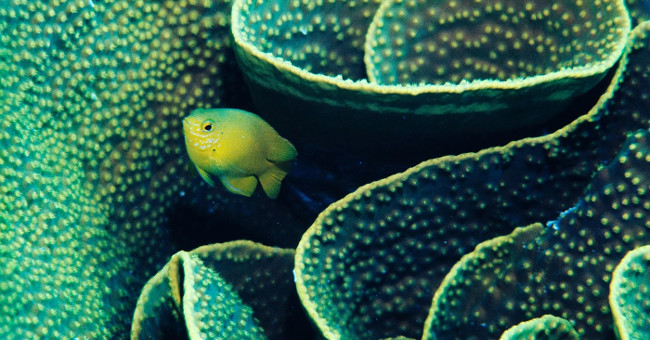
Fish are disoriented due to the high concentration of CO2
According to marine researchers from Australia, if a major acidification situation is going badly, many fish populations may be disoriented in the middle of a large posi…
Browse ScienceInfo articles and explainers related to CO2 Gas.
65 published items.
According to marine researchers from Australia, if a major acidification situation is going badly, many fish populations may be disoriented in the middle of a large posi…
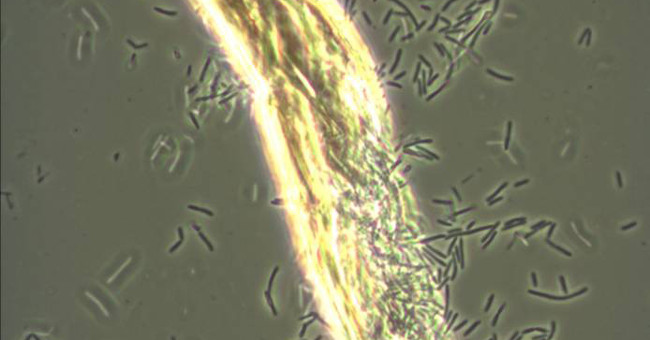
Clostridium thermocellum can disintegrate both cellulose (the type of organic compound commonly found in plants), turning them into usable biofuels without the need for…

Scientists at Harvard University (USA) have created new genetically modified bacteria that can collect CO2 in the air and convert it into energy.
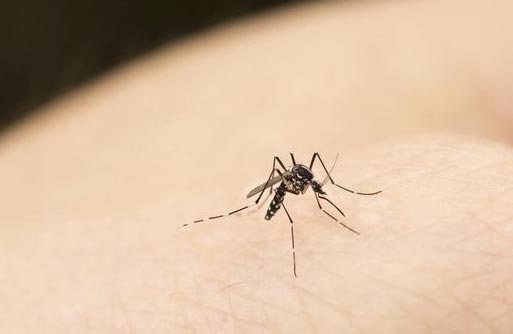
A new study revealed that mosquitoes target certain targets to burn by using a sequence of three signs: smell, then images and finally heat.
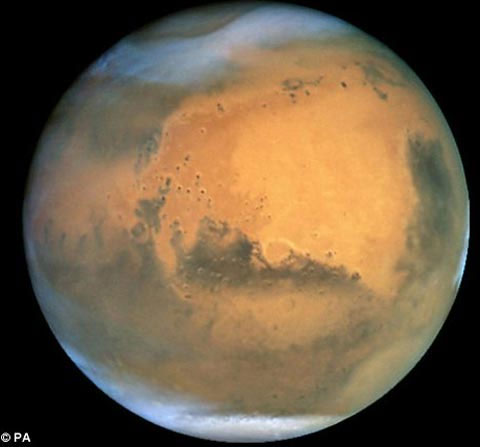
A famous American scientist said that artificial gene technology could bring a breakthrough, helping people to settle on Mars.
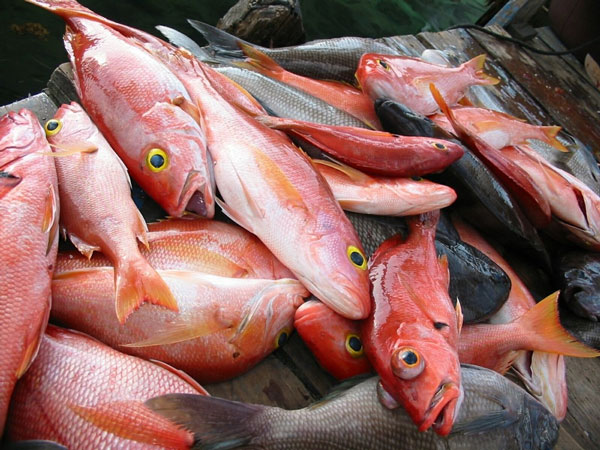
The amount of carbon dioxide that humans release into the atmosphere is increasing, affecting the brain and nervous system of marine fish, affecting their survival.

To ensure safety when participating in traffic for yourself and those around you, choosing and arranging fire extinguishers properly is essential.

Catalysts are the first, in addition to enzymes, to convert CO2 and water into carbon blocks containing one, two, three or four carbon atoms with a efficiency of more th…
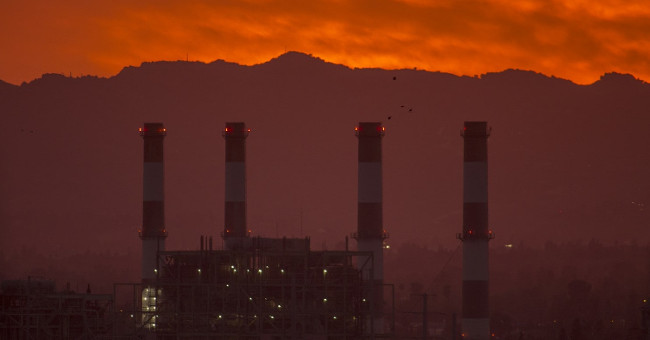
According to the Usa Today, the concentration of carbon dioxide (CO2) - the gas that is the main cause of global warming, also known as greenhouse gas, in April this yea…
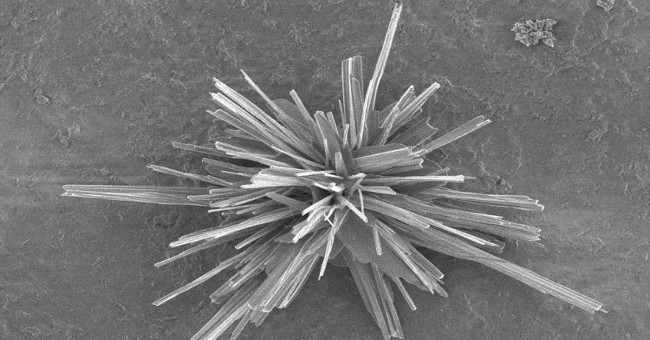
The focus of the experiment is the reduction of carbon dioxide, which converts this gas into a number of different compounds.
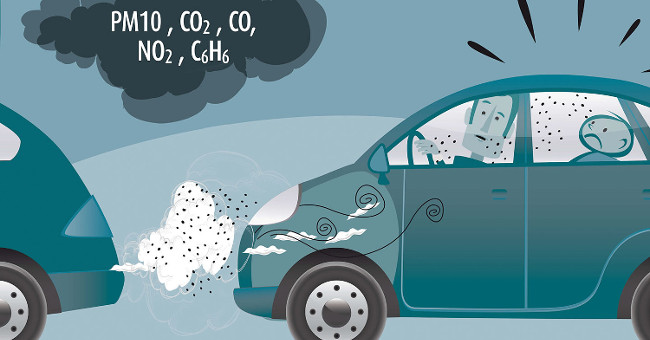
Regardless of the vehicle, after starting the engine, the exhaust system will also escape a variety of emissions, mostly toxic gases with much less content.

By 2400, CO2 concentrations could exceed all the limits recorded in geological records.
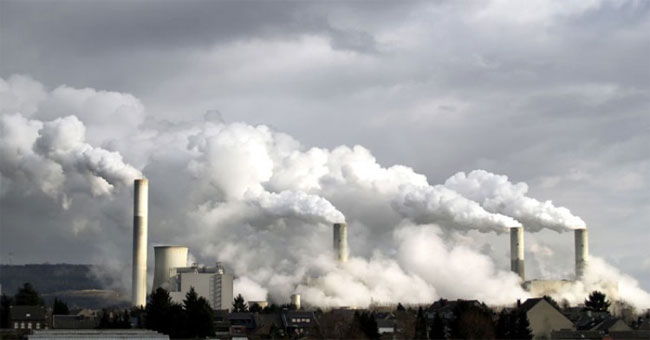
The concentration of greenhouse gases carbon dioxide (CO2) on Earth has just exceeded 410 ppm for the first time in human history.
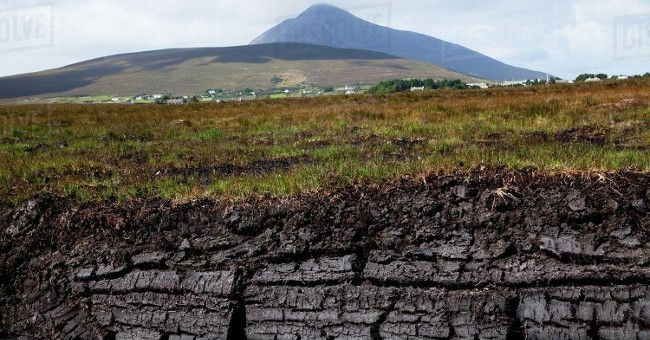
Researchers have reported the discovery of peat lagoons in the Central African region of the United Kingdom's approximate England area with the same amount of CO2 as the…
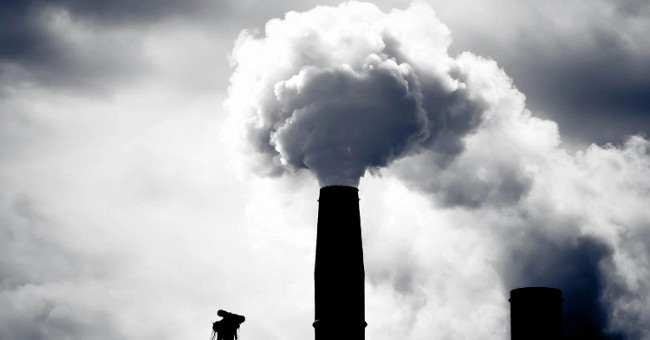
Scientists have turned CO2 into hard rock by introducing high-pressure CO2 solution into basalt. Natural chemical reactions will do the rest.